

Process Noise, Waste And Bottlenecks
Identify The Process Noise Consuming Your Organisation's Capacity
When processes break down, staff keep work moving by chasing missing information, repeating checks, correcting errors and completing unfinished tasks. The organisation may get through the day, but the time and cost of making the business work remains hidden.
At Bevington Partners, this is called Noise and XeP3, our research-backed methodology and proprietary software platform, quantifies this hidden effort, identifies its underlying causes and helps eliminate it.
The evidence it builds helps leaders reduce business waste and release capacity without disrupting the work that still needs to get done.
The 5Cs Of Process Noise
What Is Process Noise?
Process Noise, or simply Noise, is the unnecessary work created by inefficient processes, errors and incomplete handoffs. It consumes staff time and capacity without delivering the intended value.
We describe the most common Noise forms through the 5Cs.
Checking
Repeating checks because information is incomplete, inaccurate or unreliable.
Correcting
Fixing errors created in processes.
Completing
Finishing work that should have been completed before it reached the next stage.
Chasing
Following up on missing information, approvals, materials or unfinished work.
Consequences
Managing the downstream effects of all these process failures on customers, colleagues and service delivery.
These activities can be essential in the moment. Removing a check without addressing why it exists can cause unforeseen bottlenecks and potentially make the process worse.
The aim is to fix the underlying causes so any workarounds and short-term fixes are no longer needed.
Workflow Bottleneck Analysis
Identify Bottlenecks Across Teams
Queues and delays can be symptoms of problems originating much earlier in a process, including missing information, incomplete handoffs and repeated corrections. Effective workflow analysis examines how work moves across the end-to-end process and where additional effort is created and who absorbs those consequences.
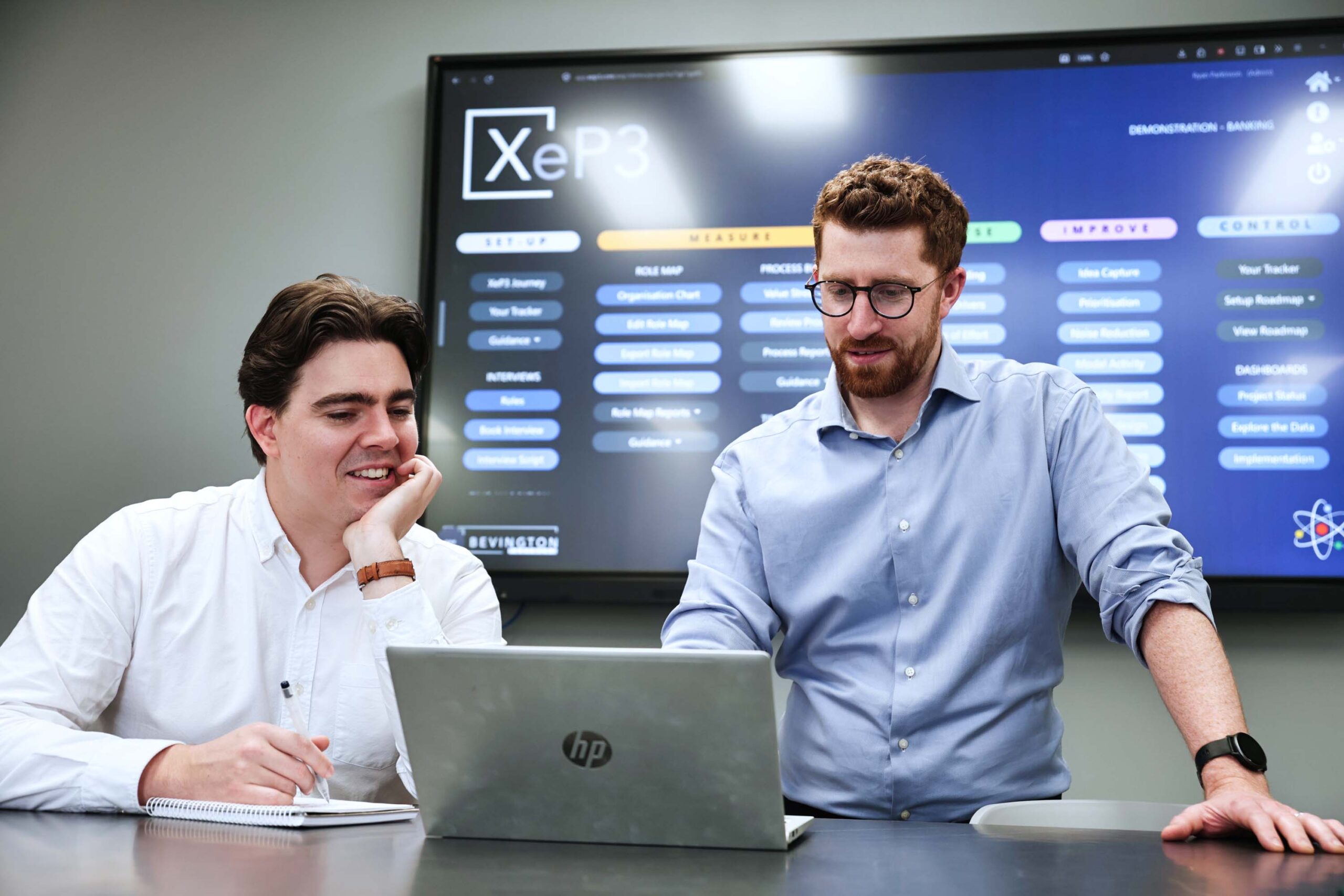
XeP3 combines staff insights with process mining data to quantify that effort and identify its causes. This helps leaders distinguish genuine capacity constraints from avoidable and unproductive workload.
Our Approach
Reduce Operational Waste Where It Matters Most
Make It Visible
Capture the extra work that routine reporting misses.
Trace Its Cause
Identify the upstream decisions, handoffs, information gaps and rules producing it.
Size The Opportunity
Measure effort and prioritise the changes with the greatest operational value.
Improve With Your People
Redesign the process without removing the safeguards customers and teams rely on.
Check The Result
Track whether the cause, not just the visible symptom, has been addressed.
Whole-System Improvement
Beyond Lean Improvement
Lean techniques can be valuable. However, a local improvement may simply move hidden Noise onto another team or process. Our approach makes work between departments visible and connects employees’ experiences to end-to-end process mining data. That gives a Lean business optimisation program a stronger basis for decisions across the whole system.
XeP3 eliminates Noise at its source rather than moving it elsewhere.

Related Reading
Explore Process Noise And Process Improvement
Process Improvement Consulting
Explore how our experts help teams redesign inefficient processes and recover lost capacity.
Operational Efficiency
Discover how reducing Noise can improve operational efficiency, business productivity and overall performance.
The XeP3 Platform
Learn how XeP3 captures and surfaces frontline activity and quantifies Noise end to end.
FAQs
Frequently Asked Questions
Is Process Noise The Same As Waste?
Process Noise, or simply ‘Noise’, is Bevington Partners’ term for the measurable effort people spend working around process failures. It includes forms of business waste such as rework, duplicated checking, chasing missing information and completing unfinished tasks.
How Can We Reduce Bottlenecks Without Creating New Ones?
Map the end-to-end process, measure the work upstream and downstream of the bottleneck, then test changes against the entire workflow.
Why Involve Staff In The Process?
They understand the exceptions, delays and workarounds that formal process maps, process mining and management reports often miss. Their front-line insight helps identify underlying causes, develop practical improvements and build ownership of future change.
Identify The Hidden Waste And Address The Causes